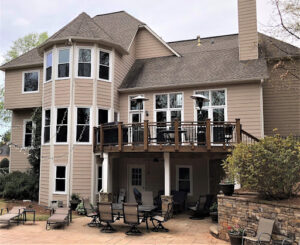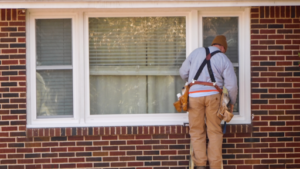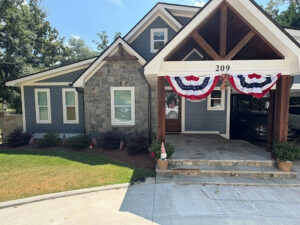

More homeowners are moving away from traditional window grids. The reasons are simple. People want a cleaner view, an updated appearance, less to care for, and a lower cost. Grids still fit some homes, like colonial and farmhouse styles. But the trend is leaning toward open glass.
Window grids are the thin bars that divide a window into smaller squares or rectangles. You may also hear them called grilles or muntins. They used to be in almost every home.
That is changing. Five years ago, most people asked for grids. Now, many skip them. This post explains why homeowners are moving away from traditional window grids, when grids still make sense, and what choices you have.
What are traditional window grids?
Grids are the bars laid on top, between, or inside the glass. They make one large pane look like several small panes, and sometimes the glass is small individual pieces that the grids connect together to create a single pane. Common patterns include colonial, prairie, perimeter, and cross.
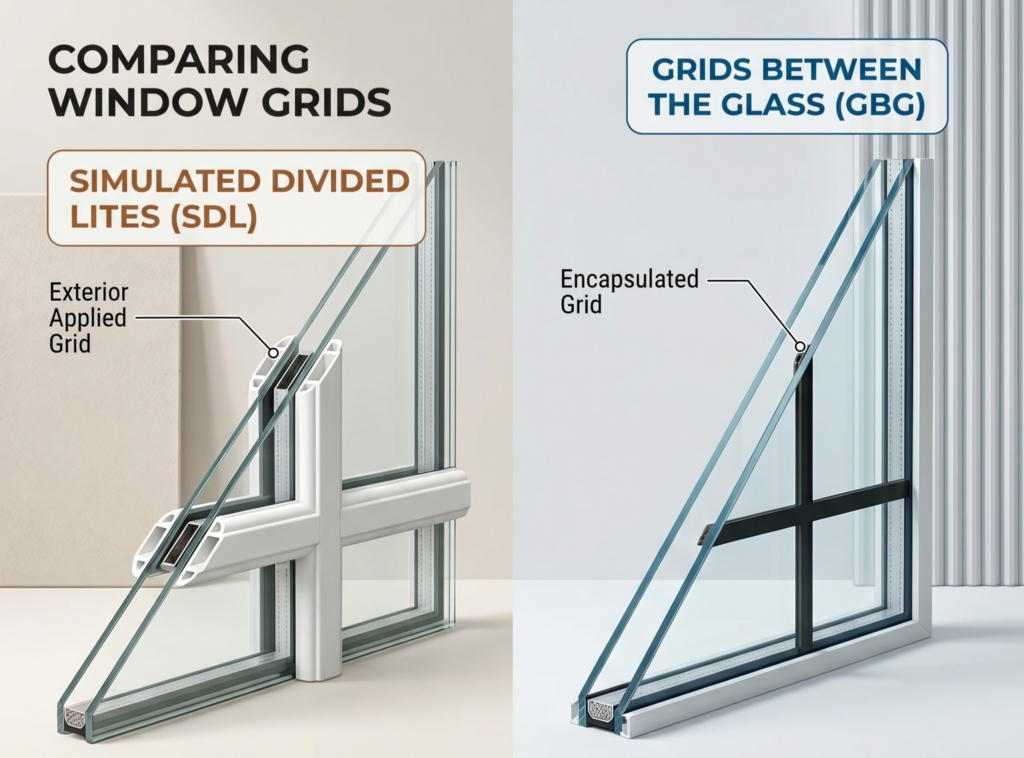
There are 2 common ways to add grids in updated windows. Some sit inside the sealed glass. These are called grids-between-glass. Others sit on the surface of the glass. These are called simulated divided lites, or SDL.
The look is classic. But it is not the only choice anymore. Grids do not change how a window works. They are about looks. The window opens, closes, and seals the same way with them or without them.
Why are homeowners moving away from traditional window grids?
The shift is not about one big thing. There are a few small reasons that add up. Here are the main ones we hear.
A cleaner, more open view
Grids break up the glass. That can make a view feel busy. Without grids, you see more sky, more trees, and more of your yard.
Many homeowners want that open feel. They want the window to frame the view, not chop it up. This matters most on big windows. Picture windows and large panes tend to look best with nothing in the way.
Grids often conflict with blinds and shutters, so no grids creates a simplified appearance.
A lower cost
Grids add to the price of a window. The more detailed the grid, the more it costs. SDL grids that sit on the glass cost the most.
Skipping grids can save real money. On one recent door order, dropping the grid pattern saved a homeowner close to three thousand dollars. That money can go toward better glass or more windows. Across a whole house, the savings add up.
Less to fuss over
Grids that sit on the surface of the glass can be harder to clean around. Grids sealed inside the glass avoid that problem. Still, many people simply like the look of no grids at all. Fewer parts mean less to think about.
A more modern look
Clean, simple design is popular right now. Design trend reports in 2025 note that window grids are being replaced with little-to-no grid patterns. The goal is a sleek, open feel.
This matches what we see every day. People want open glass and clean lines. It is the same look you find in many new homes and remodels today.
Should you choose grids on the glass or between the glass?
If you do decide on traditional window grids, you have two main choices. The choice changes the look, the price, and the care.
Grids between the glass sit inside the sealed unit. They are easy to clean because nothing sits on the surface. They give a clean, simple grid line.
SDL grids sit on the outside of the glass. They cast a small shadow and look more like old wood windows. They cost more, and you clean around them.
Many homeowners who keep grids pick grids between the glass for easy care. Others pay more for SDL when they want that deeper, classic look.
Best for easy care: grids between the glass. Best for a true divided-pane look: SDL grids.
Is this happening in Atlanta, too?
Yes. Homeowners across the Atlanta area are moving away from traditional window grids. We see it in the towns right around our Tucker shop, like Chamblee, Norcross, and Stone Mountain. The open look is winning out.
Newer builds often skip grids from the start. Many remodels drop them during a window swap. The choice fits the bright, open style that a lot of Atlanta homes are going for.
We see it in older neighborhoods, too. When homeowners update tired windows, they often take the chance to open up the view.
When do traditional window grids still make sense?
Grids are not wrong. They are just one option. There are good reasons to keep them.
The biggest reason is matching. If part of your home has grids, you want the new windows to blend. A few no-grid windows can look off next to older ones with grids.
Some home styles also wear grids well. Colonial, farmhouse, and traditional homes often look right with them. Some designers even warn that bare windows can clash with older, formal homes.
It is also common for neighborhoods or parts of time to require the windows to be replaced with a window that has the exact same appearance.
If you do want grids, you can also modify the pattern. A single bar or a three-quarter grid can add depth without a busy look. That way, you get a touch of the classic style while keeping much of the open view.
Another common option is grids on the front of the home to keep the traditional appearance, and then have the remainder with no grids.
Best for keeping grids: colonial, farmhouse, and traditional homes, or any home where you are matching existing windows.
What grid options does Windowcrafters offer?
We build vinyl windows in Tucker, Georgia, and we let you choose. You can go with no grids or pick a pattern that fits your home. You are not stuck with traditional window grids if you do not want them.
Our most popular grid patterns include colonial, prairie, perimeter, cross, and top only. Those are not the only choices. We can also build custom grid patterns to fit your home. You can choose grids sealed between the glass for easy care, or SDL grids on the surface for a deeper look, and we have both those styles in various widths and designs.
Our 700 Series double-hung windows and our 900 Series single-hung windows both come with custom grid options. Our stock windows come with no grids and are ready for pickup.
We can also match the grid on your old windows. If your home already has a colonial grid, we can copy it so the new windows blend in. If you are starting fresh, we can show you samples side by side.
Best for a clean look: no grids on picture windows and large panes. Best for a classic look: colonial or prairie grids on the front of the home.
How can Windowcrafters help?
We have built windows here for more than 45 years. We make the glass and the grids in-house, so you get exactly what you pick.
We do not push traditional window grids on you. We do not talk you out of them either. We look at your home, your style, and your budget, then we tell you what fits.
You talk to real people who answer the phone and stand behind the work.
What should you do next?
Take a look at your current windows. Do the grids still fit the look you want, or would an open view feel better?
When you are ready, give us a call or reach out through our contact page. We are happy to walk through your options, with grids or without. There is no pressure to decide on the spot.
Related Articles
- Black Windows in Atlanta: What to Know About Through-Color Vinyl for Georgia Homes
- How Replacing Windows Boosts Curb Appeal for Atlanta Homes
- Energy Efficient Windows in Atlanta | Comfort and Style with Windowcrafters
Frequently Asked Questions
Why are homeowners moving away from traditional window grids?
Many homeowners want a cleaner view, a lower cost, and a more modern look. Grids break up the glass and add to the price. Open glass gives a simple, bright feel that fits today’s style.
Do windows without grids cost less?
Usually, yes. Grids add to the price of a window, and grids that sit on the surface of the glass cost the most. Skipping grids can free up money that you can put toward better glass or more windows.
When should I keep grids on my windows?
Keep grids when you are matching the rest of your home or when your home style calls for them. Colonial, farmhouse, and traditional homes often look right with grids. You can also use a lighter pattern for a softer look.